How to Make Your Pool Safer for Kids and Pets

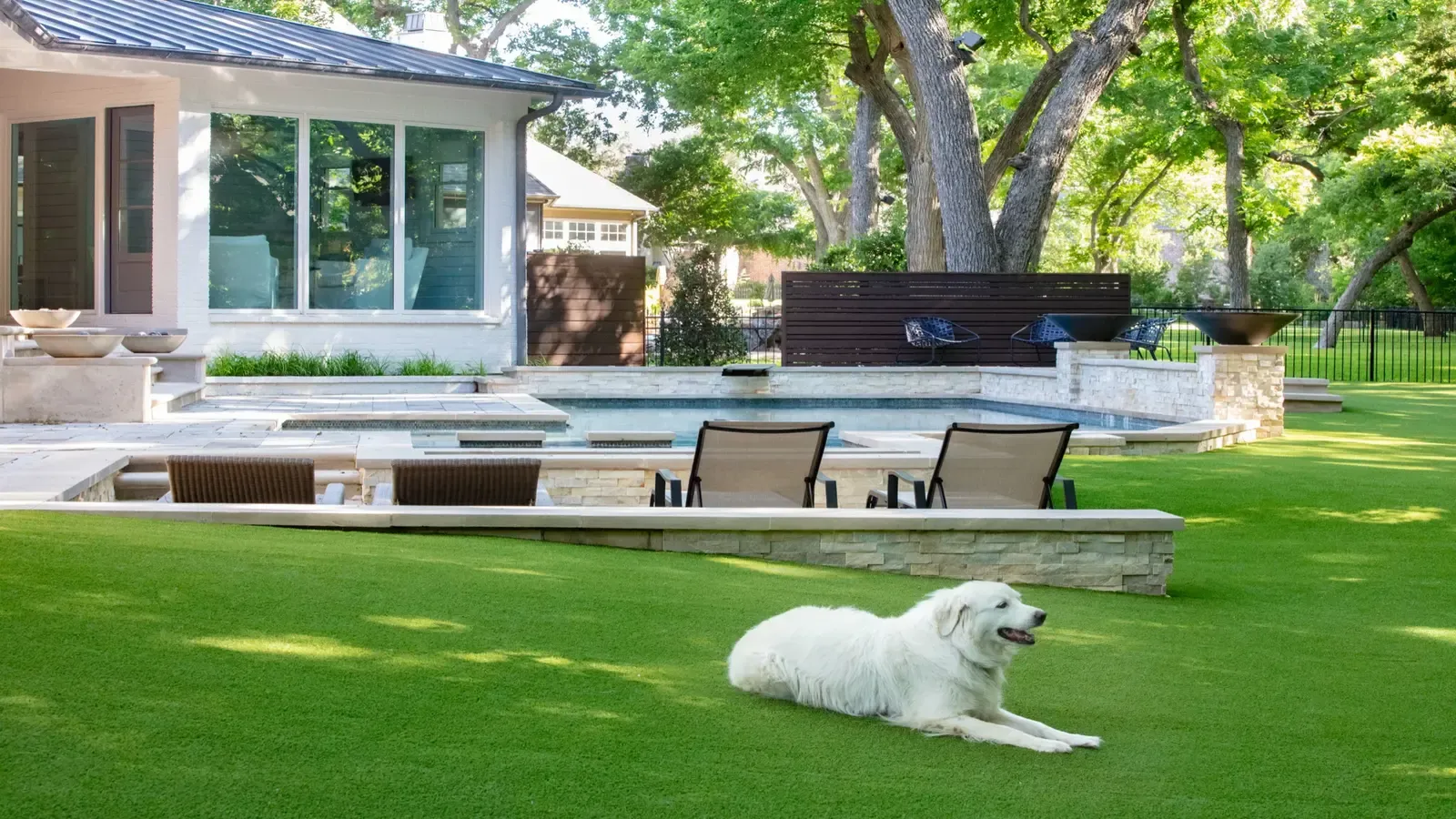
Drowning is the leading cause of accidental death in children ages 1–4, and the second leading cause for children up to age 14, according to the CDC. Most residential drownings happen in home pools, and most occur within minutes of unsupervised access — not during planned swim times. The same risks apply to pets: dogs can enter a pool and struggle to find an exit point, particularly in pools without steps accessible from the main swimming area.
The good news is that residential pool safety has improved dramatically in the past decade, and the barrier-layer approach — multiple independent layers of protection rather than relying on any single measure — is proven to reduce risk. This guide covers the full range of safety upgrades available to Virginia and Maryland homeowners, including local code requirements, costs, and which measures matter most.
Understanding the Core Hazards
Unsupervised Access
- Small children can easily fall into an unsupervised pool.
- Pets may struggle to exit the water, especially if they panic and can’t locate pool steps.
- Shallow water can still pose a drowning hazard if a child loses consciousness.
Slippery Surfaces
- Wet pool decks cause dangerous slips and falls, particularly around the pool edge.
- Non-textured concrete and certain tile finishes become extremely slippery when wet.
- Pets with wet paws have poor traction on smooth pool surrounds.
Pool Chemicals
- Chlorine and pool chemicals cause skin irritation, eye redness, and respiratory issues if not handled correctly.
- Ingestion of concentrated chemicals is toxic; storage must be secured away from children and animals.
- Improperly balanced pool water (too much or too little sanitizer) creates unsafe swimming conditions.
Lack of Active Supervision
- Short moments of inattention — answering a phone, going inside briefly — are when most pool drownings occur.
- Even confident young swimmers can struggle if they panic, fall awkwardly, or are hit in the head.
- Pool toys left in the water can attract children or pets to lean over the edge unsupervised.
Virginia and Maryland Pool Fence Requirements
Both Virginia and Maryland have residential pool fencing requirements, though specifics vary by jurisdiction. Understanding the minimum legal requirements is the starting point — not the ending point. Most safety experts recommend exceeding code minimums.
General requirements across most Northern Virginia and suburban Maryland jurisdictions:
- Minimum fence height: 48 inches (4 feet) in most Virginia and Maryland counties. Some jurisdictions require 5 feet.
- Self-closing gates: All gates must self-close and self-latch, with the latch on the inside (pool side) or out of reach of children.
- No-climb design: Horizontal rails that could serve as footholds are generally not permitted. Ornamental iron and aluminum pool fencing is typically compliant; chain-link is usually not.
- Gap restrictions: Openings in the fence must be less than 4 inches (so a 4-inch sphere cannot pass through). This prevents children from squeezing through or small pets from exiting or entering.
- All sides enclosed: The fence must enclose all sides of the pool, including any adjacent walls or structures used as part of the barrier.
For specific requirements in Fairfax County, Montgomery County, Prince George’s County, or other local jurisdictions, consult the county building department or our article on pool fence laws in Maryland and Virginia.
Pool Fencing Options and Costs
Several fence types are commonly used for residential pool enclosures in the DMV area:
- Removable mesh pool fencing: A popular choice for families with young children. Non-permanent, transparent (doesn’t block sight lines), and easily removed when children are older. Cost: $1,500–$3,500 for a typical residential pool enclosure.
- Aluminum ornamental fencing: Permanent, durable, and HOA-friendly. Available in many styles that complement pool landscapes. Cost: $20–$40 per linear foot installed.
- Wrought iron fencing: Highly durable, premium aesthetic. Heavier maintenance (rust prevention) than aluminum. Cost: $25–$50 per linear foot installed.
- Glass panel fencing: Modern, minimalist look with full visibility. Tempered safety glass panels. Most expensive option: $150–$300 per linear foot installed. Common in high-end renovations in Northern Virginia and Maryland.
Safety Covers: The Second Barrier Layer
A safety pool cover is the most effective single upgrade for preventing unsupervised pool access when the pool is not in use. The distinction matters: a standard winter cover or solar cover is not a safety cover. Safety covers are engineered to support the weight of a child or adult who falls onto them.
ASTM International standard F1346 governs safety cover performance. A compliant cover must:
- Support a minimum load of 485 pounds (the weight of two adults and one child)
- Prevent a 5×5-inch sphere (representing a small child’s head) from passing through any openings
- Drain standing water within 30 minutes (or use solid material with a pump)
Automatic safety covers, which open and close at the touch of a button or app command, offer the highest combination of convenience and safety. They’re also highly effective at retaining heat, reducing chemical evaporation, and keeping debris out of the pool. Cost: $8,000–$18,000 installed depending on pool size and system. Manual safety covers with anchor points cost $1,500–$4,000.
Pool Alarms
Pool alarms add a third detection layer for scenarios where a fence gate is left open or a child accesses the pool another way. Though not a substitute for fencing or supervision, they provide early warning when something enters the water or when a gate is opened unexpectedly.
- Gate alarms: Simple, battery-powered alarms on pool gate latches that sound when the gate is opened. Cost: $20–$80 per gate. Required by law in some jurisdictions.
- Surface wave alarms (floating or wall-mounted): Detect when something enters the pool and triggers a loud alarm inside and outside the home. Must meet ASTM F2208 standard. Cost: $100–$400.
- Subsurface motion detectors: More sensitive than surface alarms; detect underwater motion including a submerged child. Cost: $200–$500.
- Wearable child alarms: Bracelets or wristbands worn by children that trigger an alert if submerged. Most effective for toddlers. Cost: $100–$250 per device.
Some Virginia and Maryland jurisdictions require at least one pool alarm type as part of residential pool compliance. Check with your county building department for current requirements.
Pet-Specific Safety Features
Dogs and cats face different pool risks than children. Dogs are strong swimmers in most cases, but they often struggle to exit a pool if they can’t locate the steps — particularly at night or in a panic. Long exposure even for a strong swimming dog can lead to exhaustion and drowning.
- Pet ramps and exits: Dedicated pet pool ramps anchor to the pool wall and give animals a reliable, non-slip exit path. Essential for deeper pools without beach entries. Cost: $80–$250.
- Beach entry (tanning ledge): A shallow sloped entry into the pool serves both small children and pets well. Can be incorporated into new builds or major renovations.
- Slip-resistant deck surfacing: Paws on wet concrete is a common cause of pet injury near pools. Textured Kool Deck, travertine, or brushed concrete surfaces reduce slipping significantly.
- Colored pool steps indicators: Bright colored markers on pool steps help dogs (and children) identify where to exit, even from a distance in water.
It’s also worth teaching your dog to find and use the pool steps before any unsupervised access is possible — particularly if your pool has a fence gate that could be left open by mistake.
Teaching Pool Safety Rules to Children
Physical barriers reduce access risk, but establishing clear rules and habits is equally important for children old enough to swim:
- No swim without adult supervision — this rule should be absolute, even for strong young swimmers.
- No running on the deck — reinforce consistently; slips at the pool edge are a leading cause of head injuries.
- Learn to swim — formal swim lessons (starting as early as age 1 according to many pediatric guidelines) substantially reduce drowning risk for young children.
- The “water watcher” system — for group swim sessions, designate a rotating adult Water Watcher whose only role is pool supervision. No phone, no conversation — undivided attention on swimmers.
- Know where the rescue equipment is — pool hook, life ring, and phone should be visible and accessible poolside. Older children should know where they are.
Emergency Preparedness
- Enroll in a CPR certification course from the American Red Cross or equivalent. Both adults in the home should be certified, not just one.
- Keep a first-aid kit and rescue hook stored poolside, not in a garage or storage room.
- Post local emergency numbers and basic CPR instructions in a weatherproof frame near the pool equipment pad.
- Teach children who are old enough to call 911 and describe their location.
Frequently Asked Questions
Is a pool fence required by law in Virginia and Maryland?
Yes, in most jurisdictions. Both Virginia and Maryland require pool barriers (typically a fence meeting minimum height and construction standards) for all residential inground pools. The specific requirements vary by county — see our detailed article on pool fence laws in Maryland and Virginia for jurisdiction-specific details.
What type of pool fence is best for safety?
From a safety standpoint, four-sided pool fencing with a self-latching, self-closing gate and no climbable horizontal rails is the most effective barrier. Mesh removable fencing and aluminum ornamental fencing are both strong choices. Glass panel fencing is visually open and allows easy supervision but is the most expensive option.
What is the safest pool cover for children?
An ASTM F1346-compliant safety cover is the safest option — specifically one that supports adult weight without allowing submersion. Automatic retractable safety covers offer the best combination of safety and convenience. Standard solar covers and winter tarpaulins are not safety covers and should never be relied upon as barriers.
How do I make a pool safer for dogs?
The two most important steps: install a pet ramp or ensure easily accessible steps, and fence the pool area so your dog can’t enter unsupervised. Also consider slip-resistant deck surfacing to reduce injury risk around the perimeter.
Ready to Upgrade Your Pool’s Safety? Beltway Pools Can Help
Beltway Pools installs safety fencing, automatic covers, slip-resistant deck surfacing, and other safety upgrades for homeowners throughout Virginia, Maryland, and Washington, DC. Whether you need to meet local code requirements or simply want to go beyond them, our team can assess your pool and recommend the right combination of measures.
Contact Beltway Pools to schedule a safety consultation, or get a free quote on specific safety upgrades for your pool.
Ready to get started?
Beltway Pools serves Maryland, Virginia, and Washington DC.
Schedule a pool safety inspectionKeep Reading
More Articles
- Safety
Pool Fence Laws in Maryland & Virginia: A Homeowner's Guide
Pool fence laws in Maryland and Virginia explained — height requirements, gate specifications, county-by-county differences, and safety best practices for homeowners.
Read article - Build & Design
Pool Automation Systems: What They Do and Why It Matters
Pool automation lets you control your pump, lights, heat, and chemicals from your phone. Here's how it works and whether it's worth installing in the DMV.
Read article - Renovation
Pool Renovation Ideas That Instantly Boost Home Value
Smart pool renovation upgrades that increase your DMV home's value — from resurfacing and lighting to automation and water features.
Read article