Cracked Pool? Fading Finish? Here's When You Need a Renovation

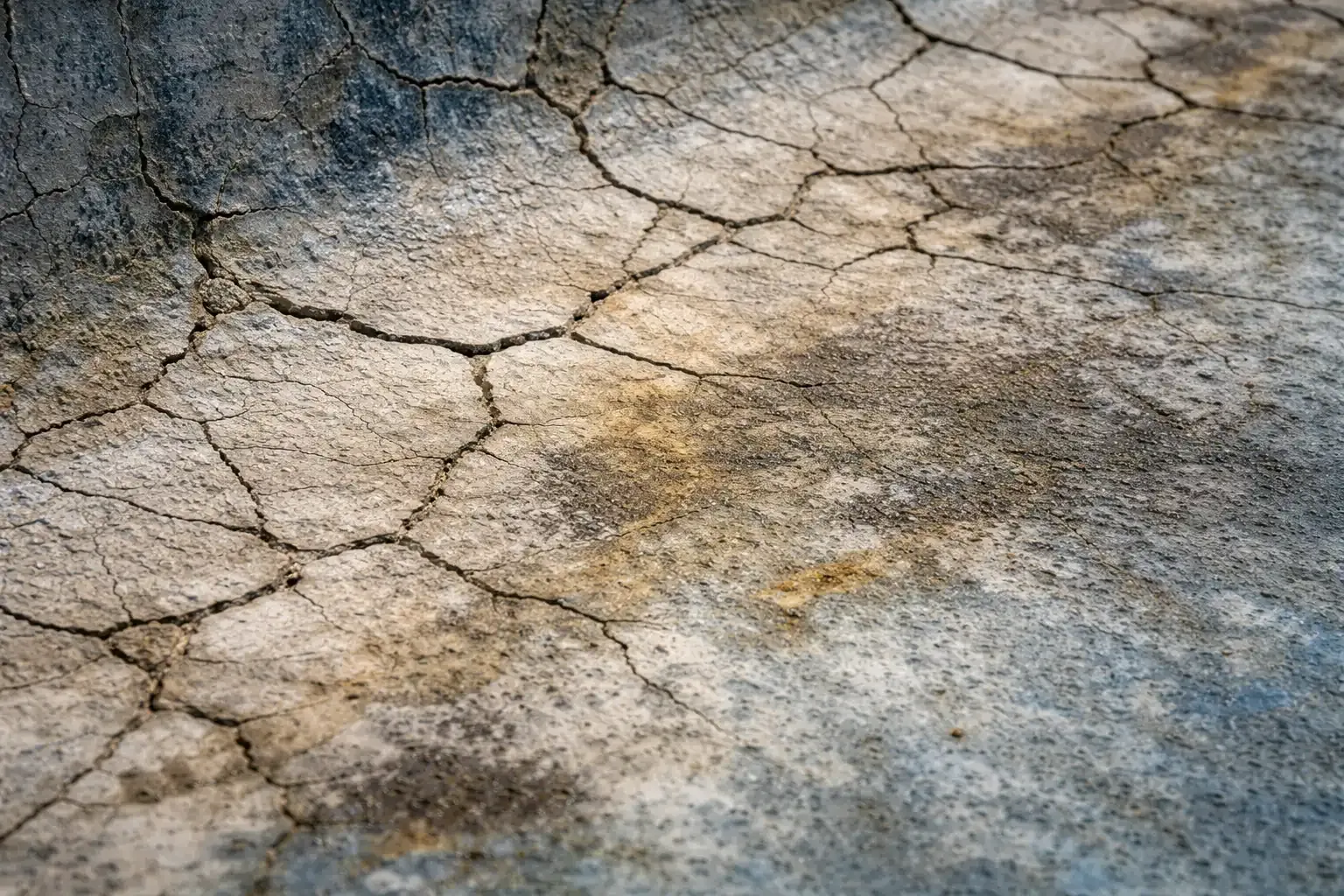
That crack along the waterline wasn't there last summer. The plaster feels rough underfoot. You've refilled the pool three times this month and can't figure out where the water is going. These aren't isolated maintenance hiccups — they're your pool sending clear signals that something bigger is developing beneath the surface.
Knowing when a pool needs renovation versus a simple repair can save you thousands of dollars. This guide covers the most telling signs that it's time to renovate, and why acting early almost always costs less than waiting until something breaks down completely.
Cracks in the Shell, Tile, or Coping
Cracks are one of the most common — and most misunderstood — signs of pool deterioration. A hairline crack in plaster or tile grout can look harmless, but it creates a pathway for water to seep behind the shell, slowly eroding the structure underneath.
In Northern Virginia and Maryland, the winter freeze-thaw cycle is especially damaging. Water infiltrates small openings, freezes, expands, and forces those openings wider. If you've patched the same crack two winters in a row and it keeps returning, patching is no longer solving the problem — it's just delaying it.
Horizontal cracks near the waterline or at the floor-to-wall transition deserve the most attention. These can indicate hydrostatic pressure from groundwater underneath the shell — a structural issue that goes well beyond what surface-level repairs can fix. A professional assessment will tell you whether you're looking at a cosmetic fix or a renovation-level problem.
A Rough, Stained, or Deteriorating Finish
Pool plaster has a useful life of roughly 10–15 years under normal conditions. Pebble and quartz finishes can last longer, but no finish is permanent. Once it starts to fail, the problems multiply quickly. Here's what to watch for:
- Rough or gritty texture: If the pool floor feels like sandpaper, the plaster is actively shedding. That material ends up in your filter — and in the water.
- Chalking or whitening: Plaster that chalks off onto hands or swimwear has broken down structurally and is no longer providing a properly sealed surface.
- Stubborn or spreading stains: Iron, copper, or manganese stains from aging plumbing can become permanently embedded in old plaster when chemical treatments stop working.
- Uneven discoloration: Patchy fading across the floor or walls that doesn't respond to acid wash or chemical treatment is a clear indicator the finish has run its course.
Beyond the look, a deteriorating finish creates countless microscopic anchor points for algae. If you're fighting chronic algae blooms despite maintaining proper water chemistry, the finish surface is very often the root cause. Resurfacing removes those anchor points entirely and dramatically reduces your ongoing maintenance burden.
Water Loss That Exceeds Normal Evaporation
Every outdoor pool loses water — evaporation, splash-out, and backwashing are all normal. In the DMV summer heat, evaporation alone can account for 1 to 1.5 inches per week. But if you're refilling more than that consistently, or the water level drops noticeably overnight when no one is using the pool, you're looking at a leak.
Leaks can originate in the plumbing lines, the skimmer, light fixtures, or the pool shell itself. Small leaks that go unaddressed wash out the soil supporting your pool deck, cause concrete surfaces to sink and crack, and put stress on plumbing joints that accelerates further failures. A pool inspection can pinpoint the source. If the leak is structural or tied to deteriorated plumbing running beneath the deck, renovation is the appropriate solution.
Outdated or Constantly Failing Equipment
Individual equipment failures — a pump motor, a heater element, a faulty valve — are usually just repairs. But when equipment is aging out across the board, is no longer available for parts, or was designed for a pool configuration that has since changed, renovation becomes the more cost-effective path.
Common equipment warning signs to take seriously:
- Pump that short-cycles or runs noisily: Frequent cycling indicates a motor or capacitor approaching end of life, often combined with declining flow rate through the system.
- Heater that can't hold temperature: Older gas heaters lose efficiency dramatically as heat exchangers corrode. A modern heat pump or variable-speed heater can cut operating costs significantly.
- No automation or smart controls: Manual valves, analog timers, and no remote access are signs of an older system. Automation is now standard in renovations and pays for itself through more precise control of pump run times and chemical dosing.
- Single-speed pump: Older pumps use three to four times the electricity of current variable-speed equivalents, which are required by code in most new installations anyway.
Our pool service and repair team can assess whether your equipment issues are isolated or whether the system as a whole has reached the point where renovation makes more financial sense than continuing to repair.
Safety Features That Don't Meet Current Standards
Pool safety codes have changed considerably since the Virginia Graeme Baker Pool and Spa Safety Act was passed in 2008, and both Virginia and Maryland have additional requirements layered on top. If your pool predates those changes, there's a real chance it's out of compliance — a liability you're carrying every time guests are in the water.
Common safety shortfalls in older pools include single main drains without anti-entrapment covers, perimeter fencing that doesn't meet current height or gate-latching requirements, absence of GFCI electrical protection near water, and underwater lighting that predates modern low-voltage LED standards. Addressing all of these during a renovation is far more efficient than tackling each one as a separate compliance project over multiple years.
The Pool Just Looks Its Age
Sometimes there isn't one dramatic failure — the pool is just visibly old. The decking is stained and worn, the coping doesn't match the updated patio, the waterline tile is a style from fifteen years ago, and the interior finish is a shade of gray that used to be blue. That cumulative aging affects both how much you enjoy the space and what your property is worth.
In competitive markets like Fairfax County, Montgomery County, and the near-DC suburbs, an outdated pool can become a liability at resale. Buyers factor renovation costs into their offer — or simply move on to the next property. A refreshed pool with a new finish, updated tile, and modern deck surface consistently returns more than the cost of the work when the home sells.
Why Acting Early Almost Always Costs Less
The most expensive pool renovation projects we see are the ones that got deferred. A crack that would have been handled as part of a standard resurfacing job becomes a structural repair after two additional winters of water infiltration. A failing finish that could have been replaced during a planned renovation ends up driving equipment failures that compound the total cost.
When you act at the first signs — while you still have options and time on your side — renovation is a planned investment you can budget for and schedule around the off-season. When you wait until something fails completely, you're doing emergency work in the middle of summer at rush pricing, with far fewer choices about scope or materials.
If your pool is 10 years old or older and showing any combination of the signs described above, the smartest move this spring is to get a professional evaluation before the season starts — not after something breaks.
Ready to Renovate? Beltway Pools Can Help
From targeted resurfacing to complete structural overhauls, Beltway Pools has been renovating pools across Northern Virginia and Maryland for years. Explore our pool renovation services or get a free quote today — we'll assess exactly what your pool needs and give you a clear picture of what it will cost.
Ready to get started?
Beltway Pools serves Maryland, Virginia, and Washington DC.
See our pool renovation servicesKeep Reading
More Articles
- Renovation
Pool Renovation Ideas That Instantly Boost Home Value
Smart pool renovation upgrades that increase your DMV home's value — from resurfacing and lighting to automation and water features.
Read article - Renovation
What a Full Pool Renovation Includes: From Shell to Swim-Ready
There's a point where patching isn't enough. Learn what a complete pool renovation includes — from shell resurfacing to equipment upgrades — and what it costs in the DMV.
Read article - Renovation
Best Time of Year to Renovate Your Pool
Fall and winter are the smartest seasons to renovate your pool in Virginia and Maryland — better pricing, faster scheduling, and ready for summer.
Read article